
services and treatments
Conditions We Treat
Common Nail Problems
Fungus is a common mold that thrives in warm, dark, damp environments. It is most commonly found on the bottom of the feet and between the toes. Fungus appearance can be represented by dry, red, cracked feet with fluid-filled blisters. Between the toes can be white in appearance due to excess moisture. It is contagious and is often found near pools and public showers. It is important to treat the fungus as it can develop into a serious secondary infection.
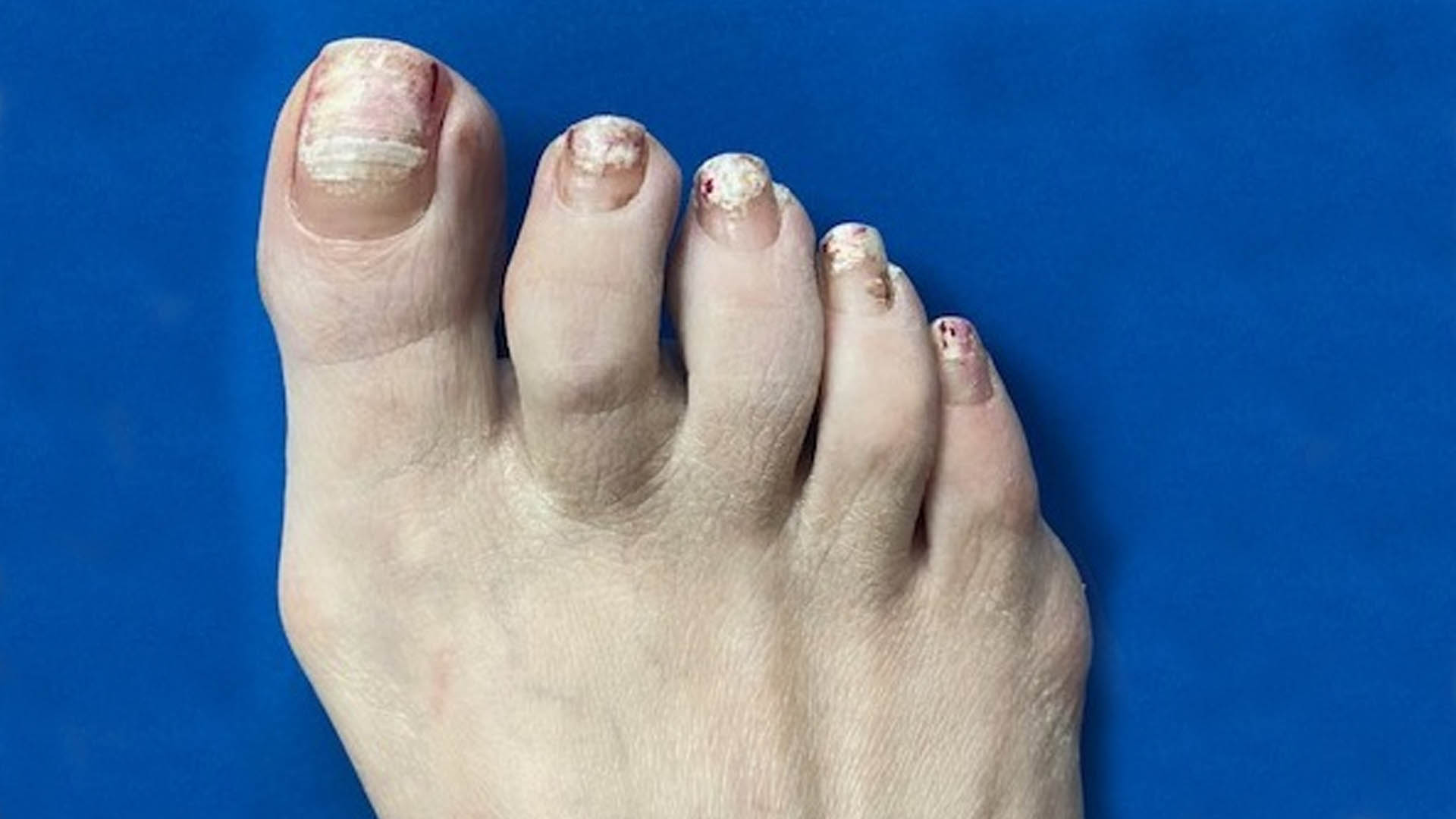
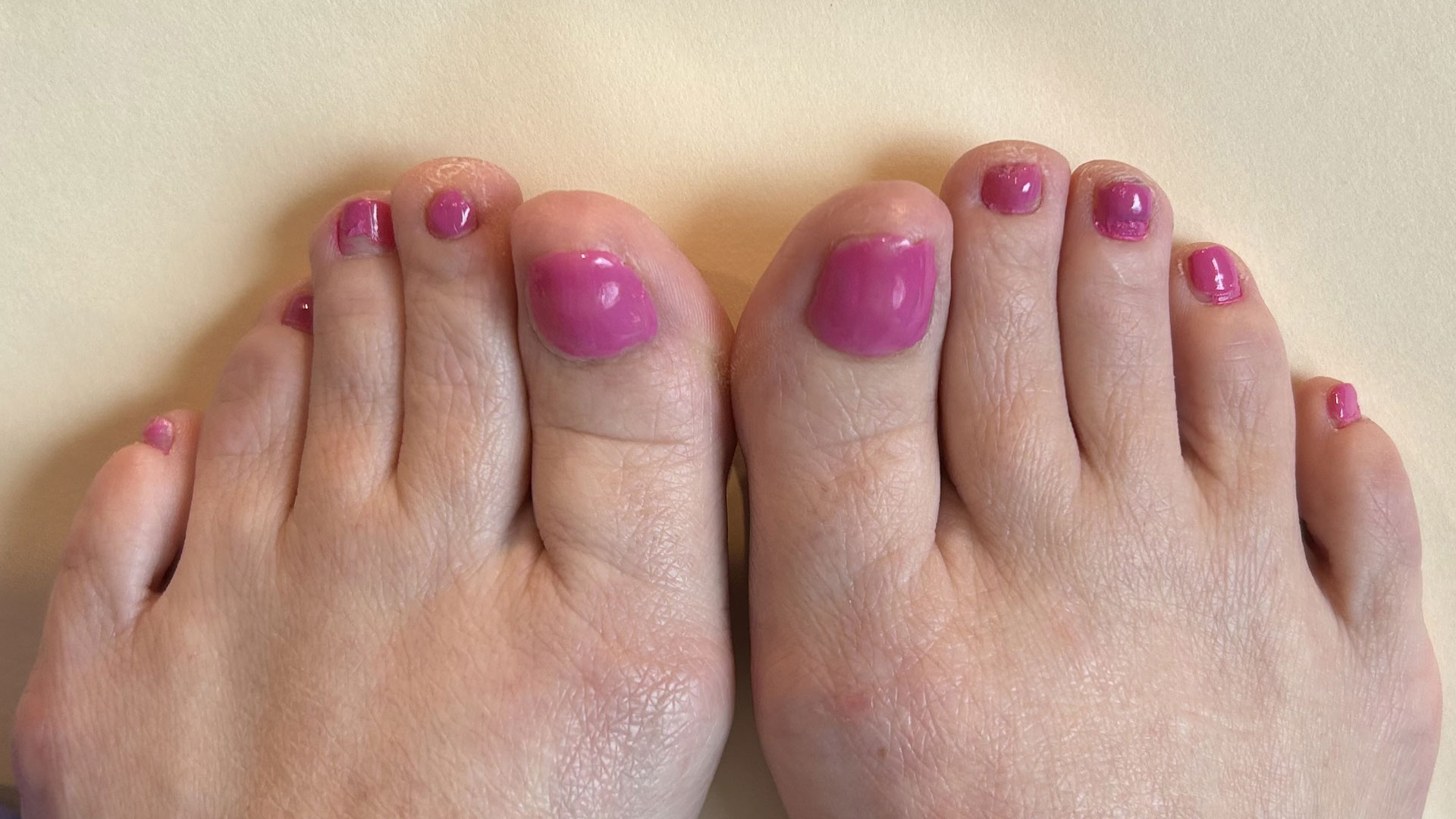
Fungal nails are often the result of athlete’s foot, nail polish, a decrease in your immune system, or trauma to the area. The nails are thick and discolored in appearance. As the nails thicken, they can become ingrown and painful. Fungal nails can be the result of any nail polish.
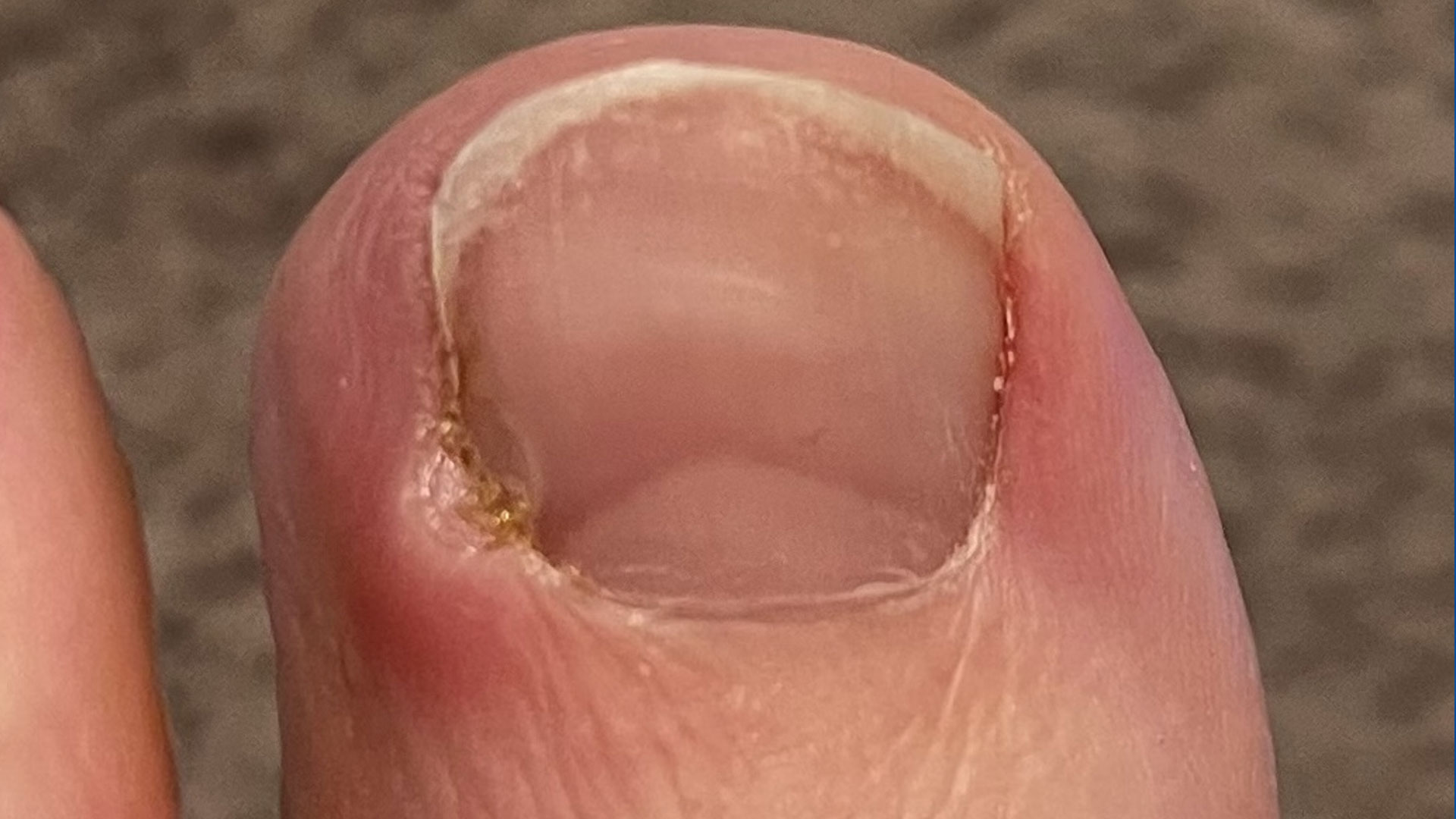
Ingrown nails are most commonly found on the first toes. It is usually the result of the nail growing into the skin. The most common causes are improper trimming, injuries, fungal infections, or the shape due to inherited factors. It is important to seek treatment if the nail becomes painful, red, swollen, odorous, or drainage. There could be an underlying infection that may need antibiotics. If the infection is not treated and gets into the bone, it could lead to amputation.
If the ingrown nail becomes chronic, a simple in-office procedure is done to relieve your symptoms. A local anesthetic is used, and a chemical is applied to prevent the nail edge from regrowing.
Bunions
A bunion is an enlargement of the joint in the first toe, which causes the bones in the joint to become misaligned. Genetics and improper footwear can be factors in the development of bunions. Once this condition starts, it tends to worsen over time. If left untreated, the big toe will begin to point toward the second toe, and a bulge will develop on the side of the foot, resulting in pain from the disfiguration.
Bunions can also lead to calluses, ingrown toenails, hammertoes and improper walking biomechanics. You do not have to suffer the pain and embarrassment of unsightly bunions. Even simple treatments, such as special shoes, custom orthotics (arch supports) and padding, may help relieve the discomfort of bunions.
If conservative treatment fails and surgery is necessary, Dr. Beth Klawitter can reduce the bunion with Minimally Invasive Surgery (MIS) with small incisions that usually do not require any screws, pins,wires or plates. There is no unsightly, long scar that may occur from traditional foot surgery. We are among the few doctors who perform this innovative procedure, which minimizes discomfort and recovery time. Many patients are back at work in only a few days, and most insurance plans cover the procedure. Minimally invasive foot surgeries can be done on a multitude of conditions, such as hammertoes, bunions, bone spurs, and tailored bunions, just to name a few.
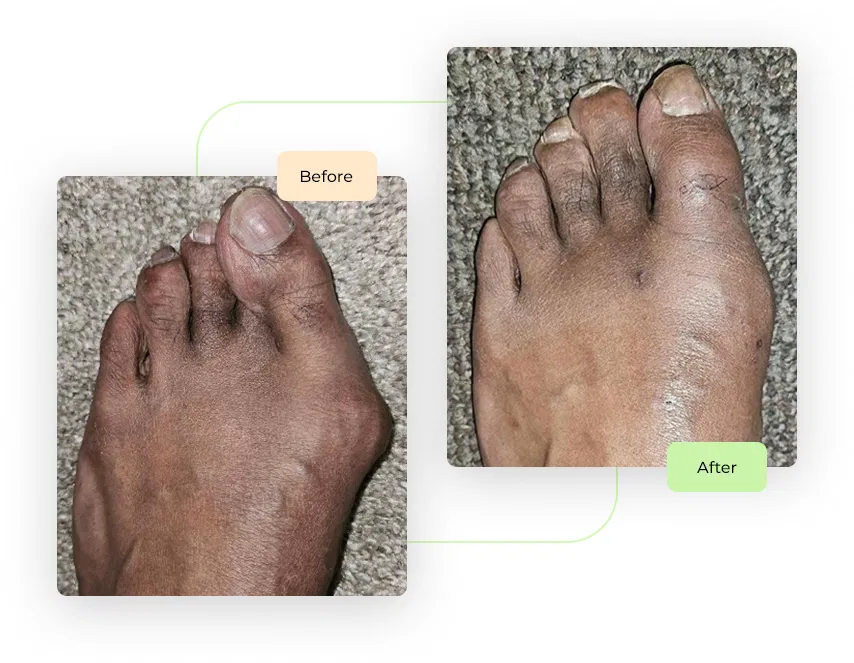
- Bony bump near the joint at the base of big toe.
- Joint redness.
- Joint pain.
- Skin irritation over the bump.
Hammer Toe
Hammer toes are a common foot ailment that can start in childhood. It is usually a genetic condition but may worsen with types of shoe gear. This condition can happen in any of the toes but is most common the second. This is usually due to pressure from a bunion or a tendon imbalance. The toes will appear bent, curled or crooked. In time, a callus can develop from shoe pressure and become painful making it difficult to wear shoes comfortably.
The condition can happen in any of the toes but is most common the second. This is usually due from pressure from a bunion or a tendon imbalance. The toes will appear bent, curled or crooked. In time, a callus can develop from shoe pressure and become painful making it difficult to wear shoes comfortably.
In children, the condition can occur from wearing shoes they have outgrown. The condition may occur in all but the first toe and is caused by ligaments and tendons that tighten, causing the toes joints to curl downward. The toes will appear bent or curled under. In time, pain will develop, and it will become difficult to maneuver the foot.
Most often the treatment includes a change in shoe gear allowing for more room for the toes and/or padding the toes. Never use medicated corn removers especially if you are a diabetic or have circulation problems as they can lead to ulcers. If conservative treatments fail then surgery may be necessary.
If surgery is necessary, the hammer toes can be reduced by small incisions without pins, wires or screws. The patient can walk in a surgical shoe during the recovery period. Many people are back to work in a few days!
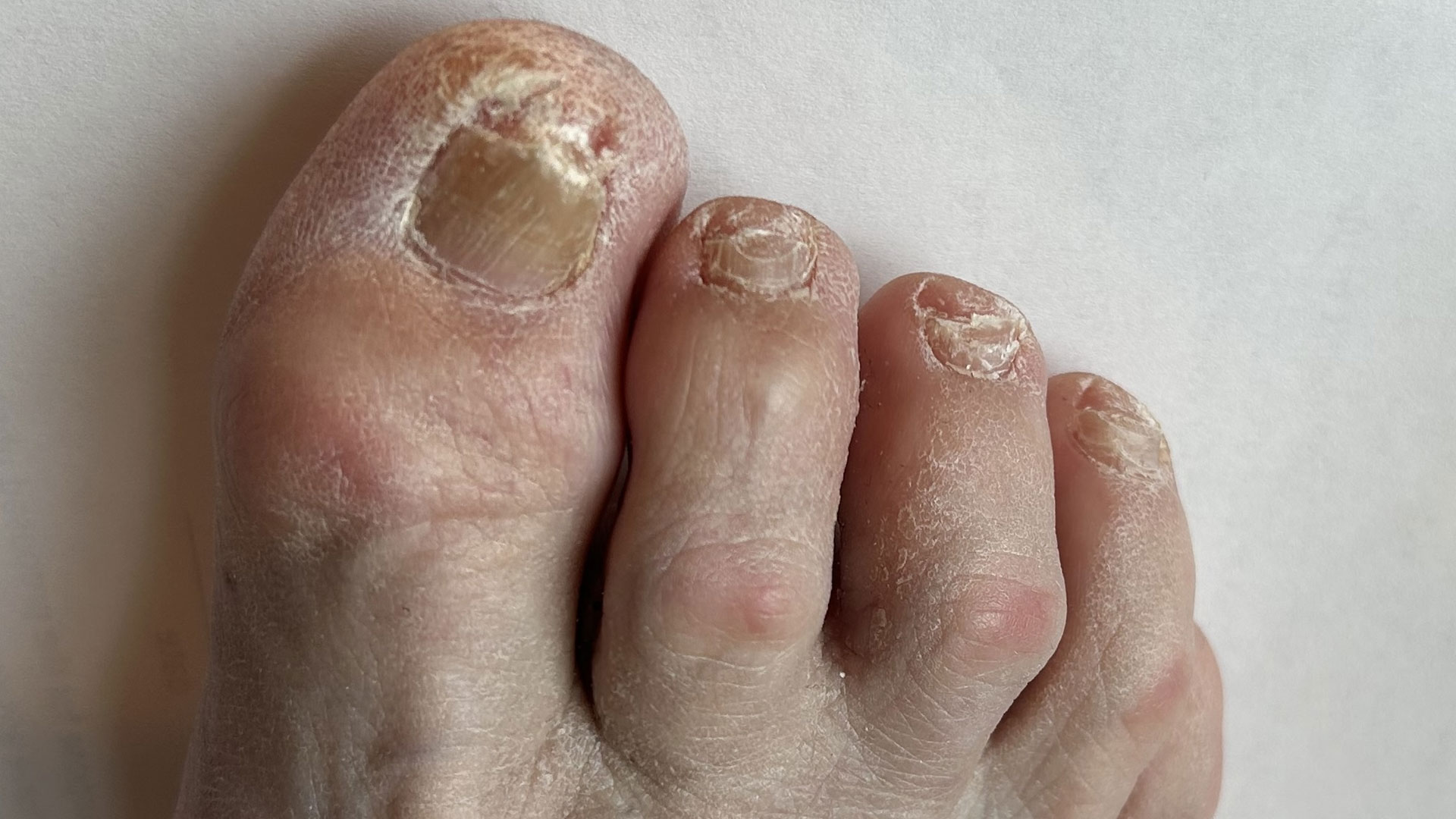
- Foot pain.
- Callus or corn formation on the sole of the foot.
- Corn formation on the top of the affected toe.
Tailors Bunions
If these treatments fail then a simple, small incision can be made to move the bone to reduce the callus and pain. Dr. Klawitter offers Minimally Invasive Surgery through small incisions. This Minimally Invasive Surgery takes very little time to perform and is most often done in our office and you walk out in a surgical shoe!
Minimally Invasive Surgery be performed on a number of conditions, such as hammer toes, bunions, bone spurs, just to mention a few.
Neuromas
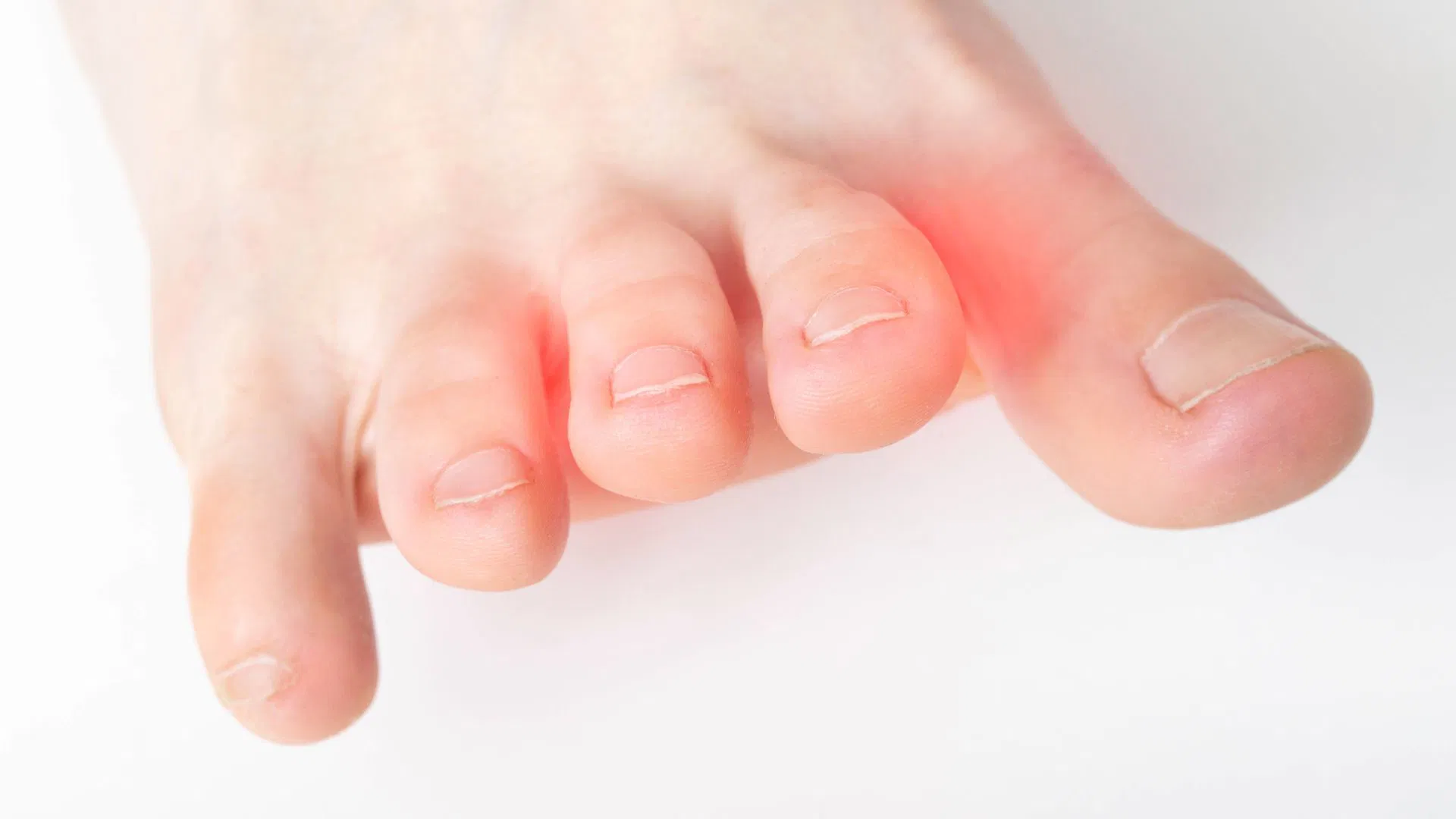
A neuroma is an agitation of the nerve, most commonly between the second and third or third and fourth toes. This condition is usually an inherited condition that can be aggravated by trauma or improper shoe gear.The nerve can get pinched between the bones and may feel like you are stepping on a cord or your sock is bunched up. If a neuroma is present, it may feel like stepping on a cord or as if your sock is bunched-up. Other symptoms include burning, tingling, cramping or numbness. The pain may radiate from the tips of your toes, through your ankle, into your thigh and into your lower back (sciatic pain).
Through an examination, we can determine if symptoms are a neuroma or some other foot problem. Some of the treatments may include padding, orthotics, shoe gear changes, injections, and anti-inflammatories.
What to do?
Once symptoms are recognized, proper medical care should be obtained as soon as possible to minimize the likelihood of permanent nerve damage.
Surgery
If conservative treatments do not help, surgery may be necessary.
- Numbness, burning and tingling.
- Symptoms aggravated by walking in shoes.
- Pain is not relieved by rest.
Plantar Fasciitis
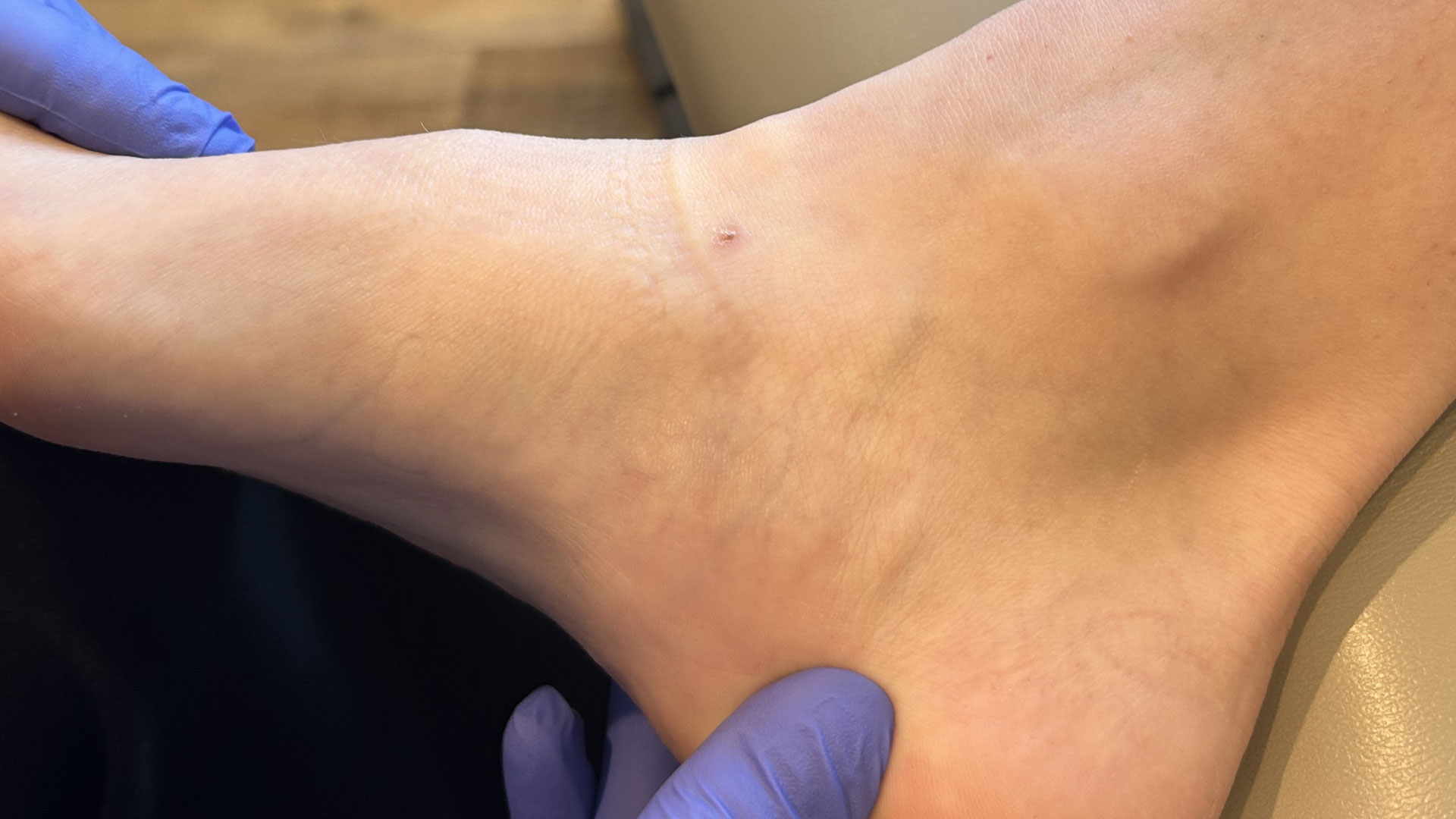
Heel pain is one of the most common foot problems seen in our office. It is usually caused by some type of trauma to the Plantar Fascia Ligament in the heel causing inflammation to the area. See the Video page for more information.
Some of the symptoms could be pain first step in the morning and after sitting and getting back up. It is most painful first step and gets better as the day goes. Once it becomes chronic, the heel could be painful all day. Most of the time the pain goes away or feels better when you get off of the foot. The pain does not keep you up at night. This can sometimes confused with Tarsal Tunnel.
Conservative Treatments may include:
- Taping
- Custom orthotics/arch supports
- Medications
- Stretching
- Cortisone injection
- Icing
- Different Shoes
- Early return to normal activities
- Decreased post op pain
- May be performed in the office for your convenience
- Small incision requiring one stitich
- Usually back in your shoe in a few days
Metatarsalgia
Treatments for the discomfort include, shoe gear changes, trimming the callus, orthotics, and padding.
If conservative treatment fails and surgery is necessary, Dr. Klawitter can correct the problem through Minimally Invasive Surgery. This procedure does not require pins, wires, screws, plates or sutures. Many times her patients have the procedure performed in her office for their convenience but she also offers out patient surgery with sedation. There is generally very little discomfort associated after the surgery and you walk out in a surgical shoe.
Tarsal Tunnel Syndrome
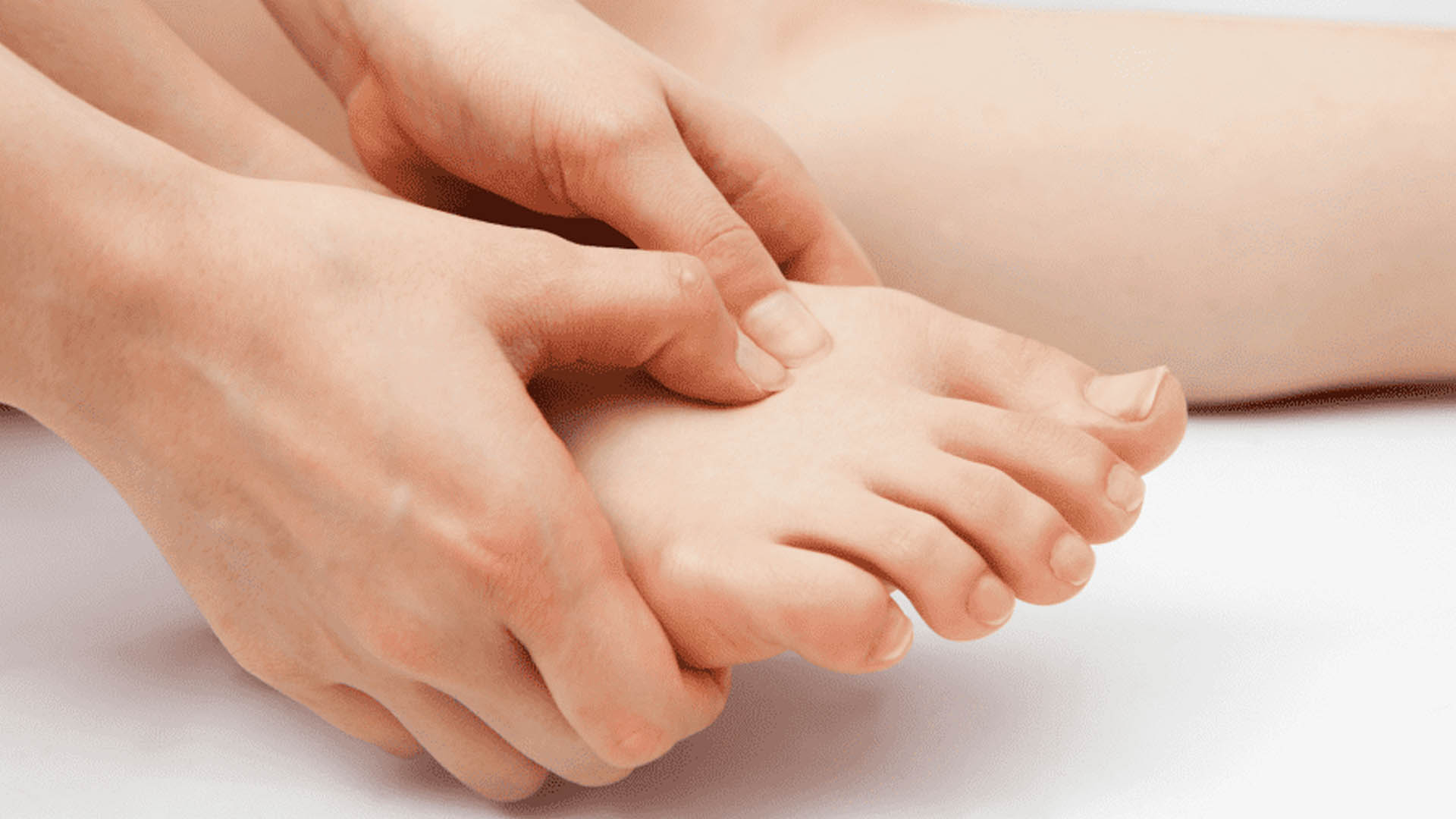
Tarsal Tunnel Syndrome is very similar to Carpel Tunnel Syndrome. Many people who suffer from Carpel Tunnel Syndrome may also suffer from Tarsal Tunnel Syndrome. Tarsal Tunnel occurs on the inside of the ankle just behind the bone. The Posterior Tibial Nerve runs behind the ankle bone, through the Tarsal Tunnel and dives into the arch. It is similar to Carpel Tunnel Syndrome in the wrist and arises from compression of the nerve.
Some of the symptoms associated with Tarsal Tunnel Syndrome are burning and tingling sensations in the heel, ankle, arch, toes and even up into the calf. The pain is not usually relieved with rest and may be painful at night. It is occasionally misdiagnosed as Plantar Fasciitis. There are many possible causes for nerve impingement, such as ganglions, fat, varicose veins, trauma, bone spurs, muscle impingement, or foot deformities.
If surgery is necessary, it is performed through a small incision just under and behind the inside of the ankle. The incision measures approximately 1 inch. There is very little downtime with this procedure, and most often, you are back into your own shoes in a few days.
See the Video page for more information.
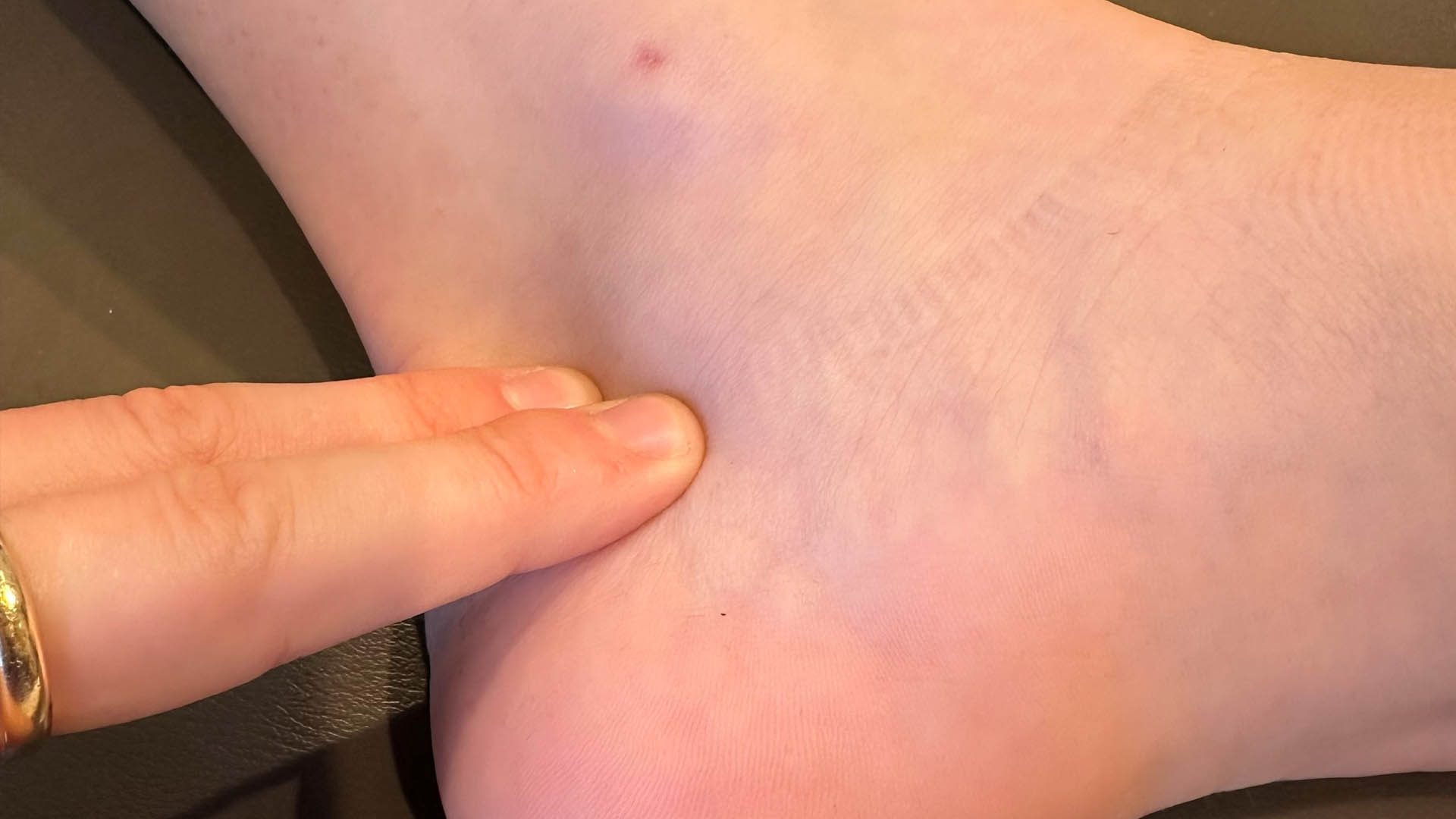
- Occasionally misdiagnosed as Plantar Fasciitis.
- Pain usually does not keep you up at night.
- May have pain at rest.
Warts
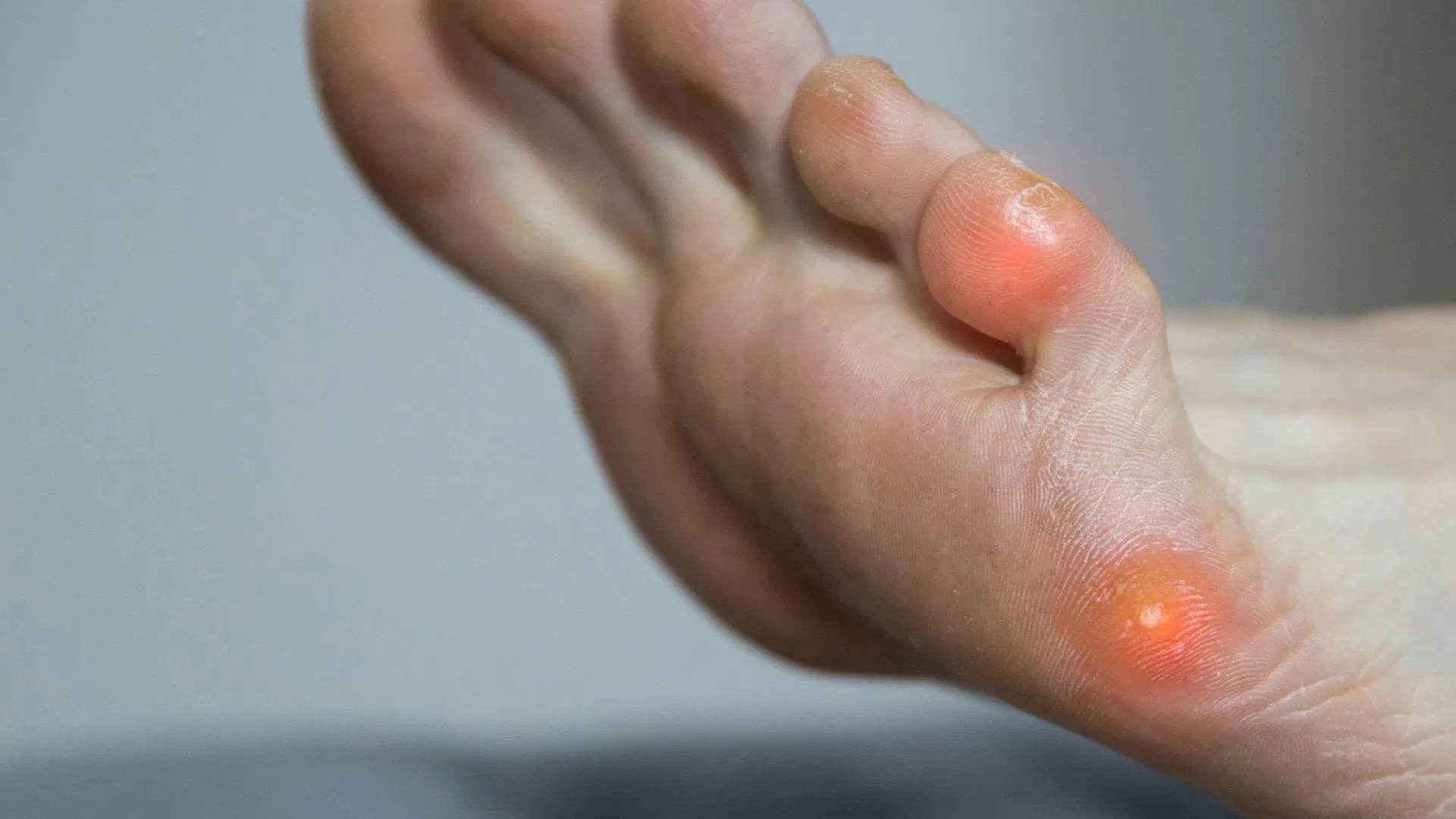
A wart is a viral infection that can spread through cuts or open sores in the skin. At first, warts appear as spongy with tiny red, brown, or black spots and develop into a hard growth on the skin surface. Many people think that the dark spots in the warts are seeds when, in fact, they are small blood vessels that feed the wart.
Warts may be mistaken for corns or calluses. They can grow up to one inch or more in diameter. Left untreated, they can spread to other parts of the body.
Over-the-counter medications may result in damaged skin and may be dangerous if you have diabetes or poor circulation. A podiatrist can help you determine which treatment option is best for you. Avoid going barefoot in public showers, gyms and locker rooms. Moist settings are ideal for spreading the wart virus.
Treatments may include: oral medication, drying agents, alternating shoes, and topical medications.
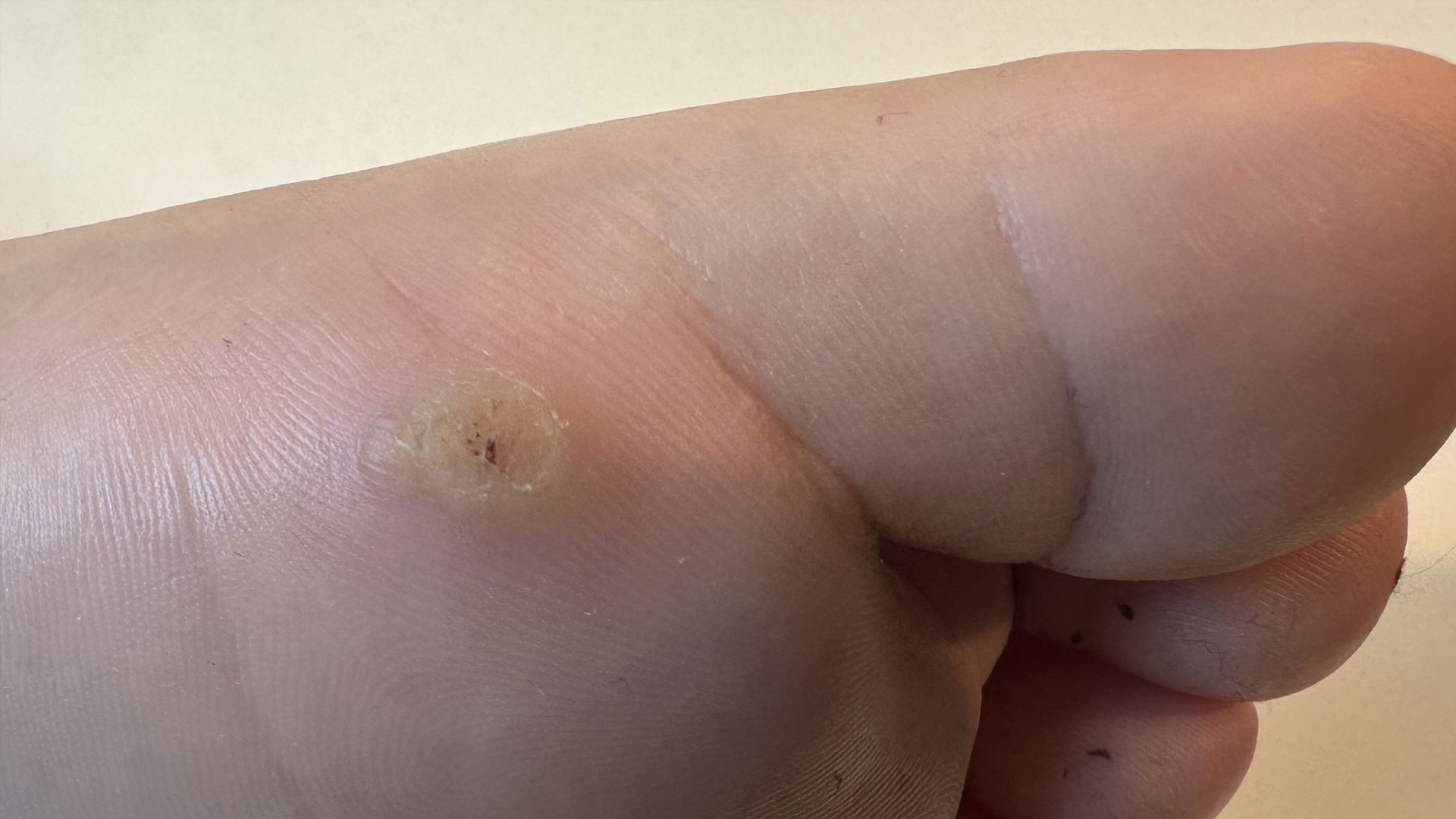
- Small black dot in center of wart.
- Sensation of lump under the foot.
- Firm warty lesions with tiny pinpoint dark spots.
- Smooth surface with gray-yellow or brown color.
Nail Restoration
- Offers another option for patients with damaged toenails.
- Delivers immediate and significant cosmetic enhancement after one visit.
- Looks and feels natural.
- Provides for cosmetically pleasing nails during most antifungal treatment regimens.
- Unlike rigid acrylic nails, flexibility allows KeryFlex restored nails to bend with the natural movement of toes and feet.
- Is compatible with human tissue and should not irritate or cause further damage to the underlying nail or skin.
- Is non-porous and will not allow moisture to penetrate between the natural and prosthetic nail.
- Applied in the sanitary setting of a foot care provider.
- Is unaffected by acetone, nail polishes or detergents.
Tendonitis
Tendonitis develops from the overuse of a set of muscles. Strain causes swelling or small fibers in a tendon to pull apart. Continual exertion of your muscles may cause pain and swelling, limiting your activities.
At first, tendons in the foot may hurt only during or after rigorous activity. Continued irritation may cause pain when you walk or even when standing still. The various types of tendonitis include:
- Achilles tendonitis – may cause pain when you step down or when your heel lifts off the ground. This tendon connects the heel bone to the calf muscle.
- Posterior tibial tendonitis – may cause pain when stepping forward to push off or when your heel shifts from side to side. This tendon runs along the inside of the ankle and foot.
- Anterior tibial tendonitis – may cause pain when going down stairs or walking or running on hills. This form of tendonitis is commonly known as shin splints. This tendon starts at the front of the shin and connects to the big toe.
- Peroneal tendonitis – may cause pain when standing or pushing off the ground. The peroneal tendon wraps across the bottom of your foot from the outside to the inside.
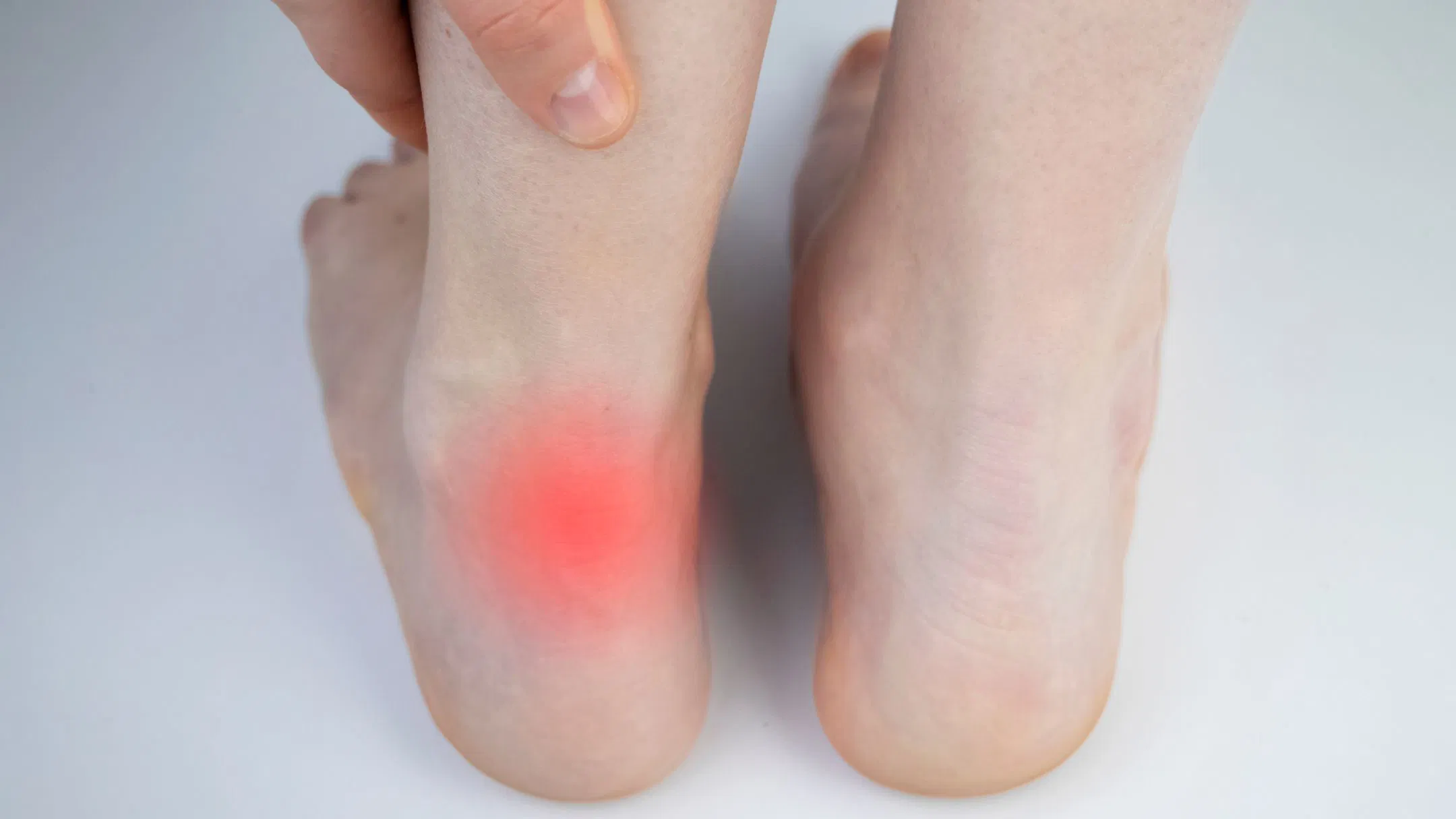
- Pain at the instep of the foot.
- Burning, tingling, shooting or stabbing pain.
- Instep may appear inflamed.
- Instep may have pronounced flat foot deformity.